
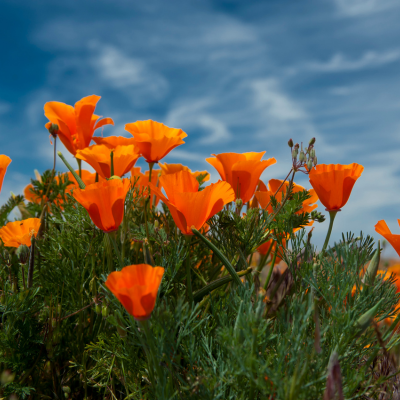
Planting native wildflowers is one of the easiest ways to support pollinators and local ecosystems at home. Native plants are adapted to California’s climate and soils, which means they generally need less water and maintenance once established. They provide food and habitat for bees, butterflies, and other beneficial insects, help improve soil health, reduce erosion, and add seasonal color to gardens and shared spaces. Our native wildflower seed mix is available for a small donation at select events, and this page provides planting tips and information about each plant in the mix.
If you are interested in obtaining a native wildflower seed mix packet please email info@eaststanrcd.org
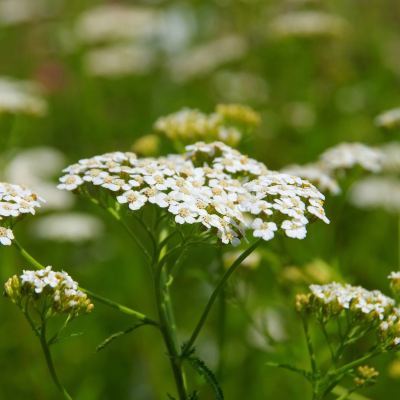
Yarrow-Achillea millefolium
A hardy native perennial that supports a wide range of beneficial insects, including native bees and predatory insects. Yarrow is drought tolerant once established and can help improve soil structure. Plants often focus on leafy growth in the first season, with more consistent flowering in following years. Yarrow can spread slowly over time and works well in garden beds and naturalized areas.
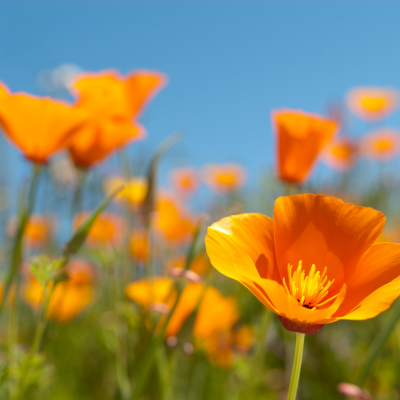
California Poppy-Eschscholzia californica
California’s state flower and one of the easiest native wildflowers to grow from seed. California poppies thrive in full sun and well-drained soil and require little water once established. Spring planting can still produce blooms, especially in open areas, though fall planting often results in earlier and more abundant flowers. Plants may reseed naturally under the right conditions.
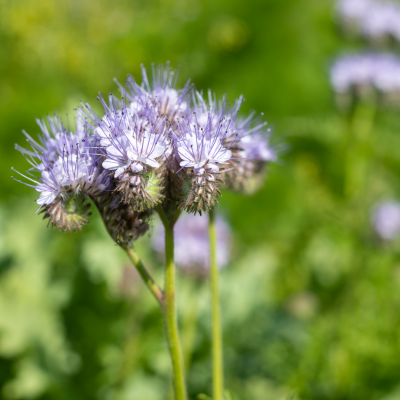
Lacy Phacelia-Phacelia tanacetifolia
A fast-growing annual known for its purple-blue flowers and strong attraction to pollinators, including bees and beneficial insects. Lacy phacelia often blooms the same season when planted in spring and provides quick coverage and color. It is commonly used in pollinator plantings and can help support early-season insect activity.
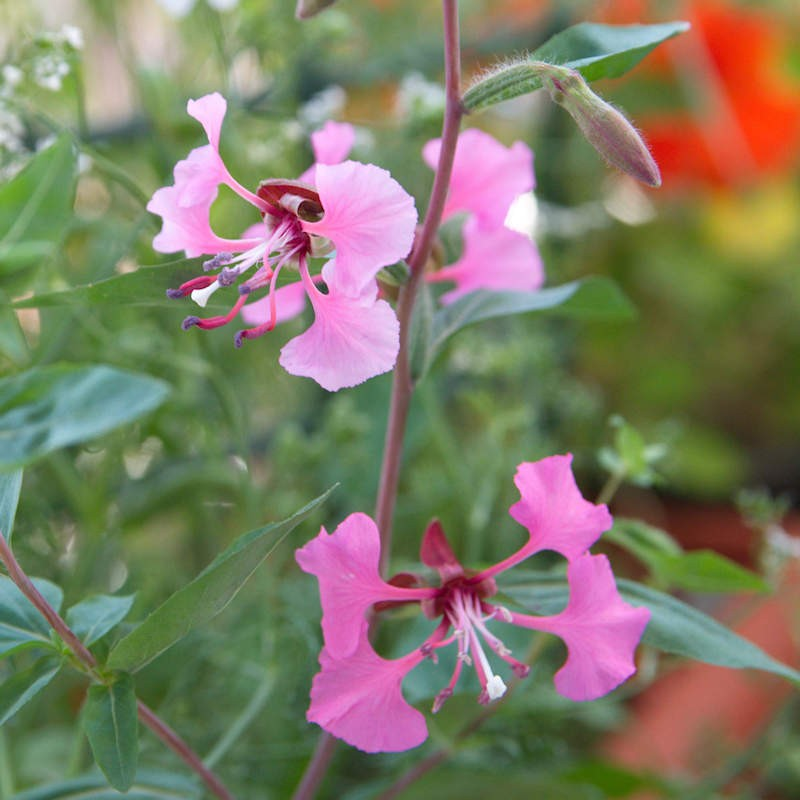
Elegant Clarkia-Clarkia unguiculata
A showy annual wildflower with bright pink and purple blooms that attract native bees and other pollinators. Elegant clarkia prefers full sun and lighter soils and is well suited for wildflower patches and mixed native plantings. Spring planting may result in later or lighter blooms, but plants can reseed naturally over time.
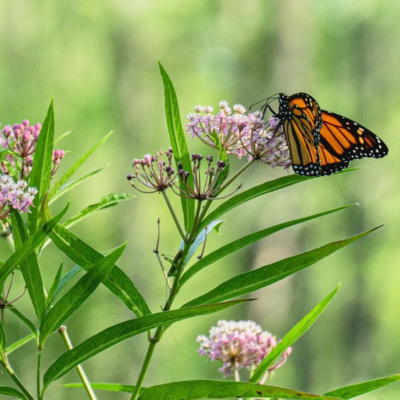
Narrow Leaf Milkweed-Asclepias fascicularis
A California native perennial and an important host plant for monarch butterflies. Narrow leaf milkweed provides food for monarch caterpillars and nectar for a variety of pollinators. Plants may be slow to establish in the first year and may die back seasonally, which is normal. Once established, milkweed can return each year and spread gradually, especially in sunny locations.