The Role of Education in Everyday Stewardship
By: Madison Taylor
Environmental education allows for a connection between everyday people and the environment in several ways. For starters, the environment is something that everyone can see, feel, hear, and touch; it is a hands-on experience everywhere people go. This connection is immediate, but education helps deepen it. The more that is taught, the more everyday people see the environment in a different light, leading to deeper care and better everyday practices.
At the East Stanislaus Resource Conservation District, education is a key part of how we support long-term stewardship in our community. Through hands-on learning, we help connect people to the landscapes that sustain Stanislaus County and show how conservation relates to daily life.
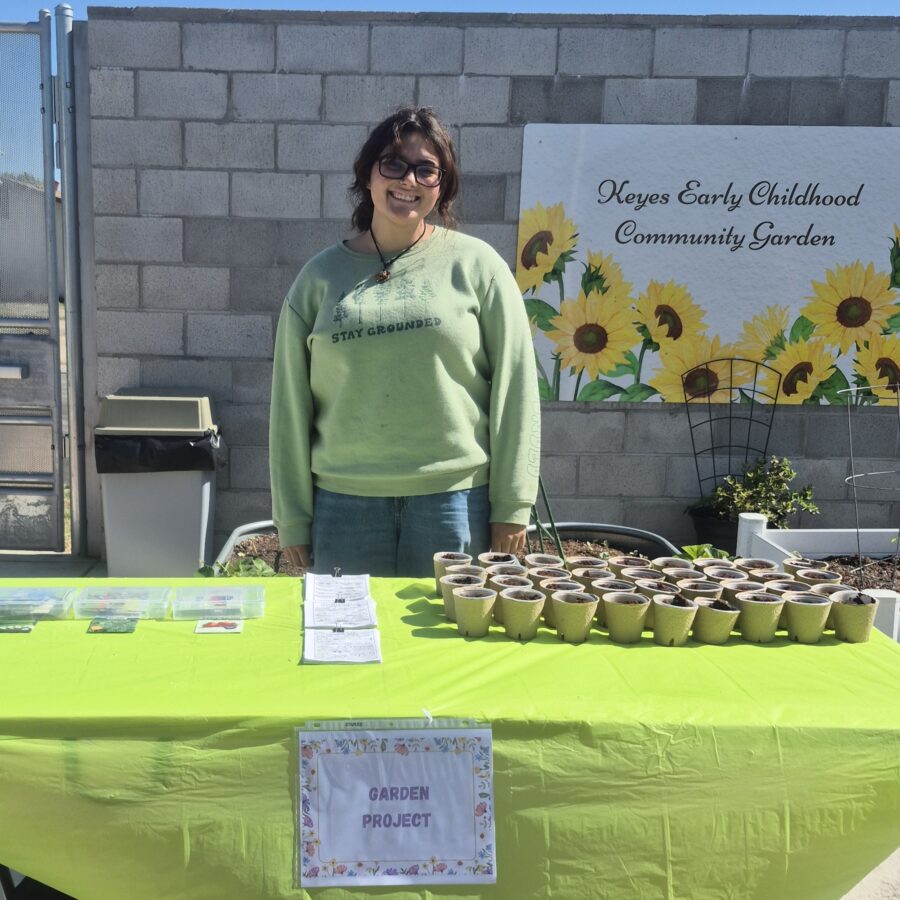
This is especially visible through our current Healthy Gardens plantings in partnership with the Stanislaus County Office of Education. These school garden spaces give students the opportunity to engage with nature in a direct and meaningful way. They are not just learning about the environment in a classroom; they are experiencing it firsthand. As students spend time caring for these spaces, they begin to understand how healthy land supports life and why that matters.
Education also connects everyday people to the environment by promoting more sustainable lifestyles within the home, such as turning off lights when not in a room, installing efficient appliances, and turning off the water when brushing teeth to conserve water. Over time, those choices reflect a deeper understanding of how individual actions connect back to the land and the systems that support it.
That connection becomes stronger through hands-on experience. Gardening and outdoor learning give people the chance to build real understanding by working with the land directly. Through our ESRCD internship opportunities, participants gain practical knowledge they can carry with them. Our interns spend time supporting real hands-on projects in the field, giving them a closer look at how conservation work happens and how stewardship shows up in practice. This includes supporting school garden plantings through our Healthy Gardens program, assisting with native planting efforts in partnership with the Bureau of Land Management, and helping connect with the community through events like our seed swap.
Education is what turns that understanding into action. It helps people move from simply experiencing the environment to recognizing its value and their place within it. Through the encouragement of sustainable habits and hands-on experiences, education empowers everyday individuals to make the right choices that benefit the environment. Thus, a more informed and active society leads to a better, more sustainable future.
