New Ways of Teaching Conservation: From Lectures to Hands-On Learning
By Alix Clausen, Communications Manager
Conservation education has changed a lot over the last 30 years. What once relied on classroom lectures and textbook diagrams now includes hands-on learning that connects kids and community members directly to the land and their food.
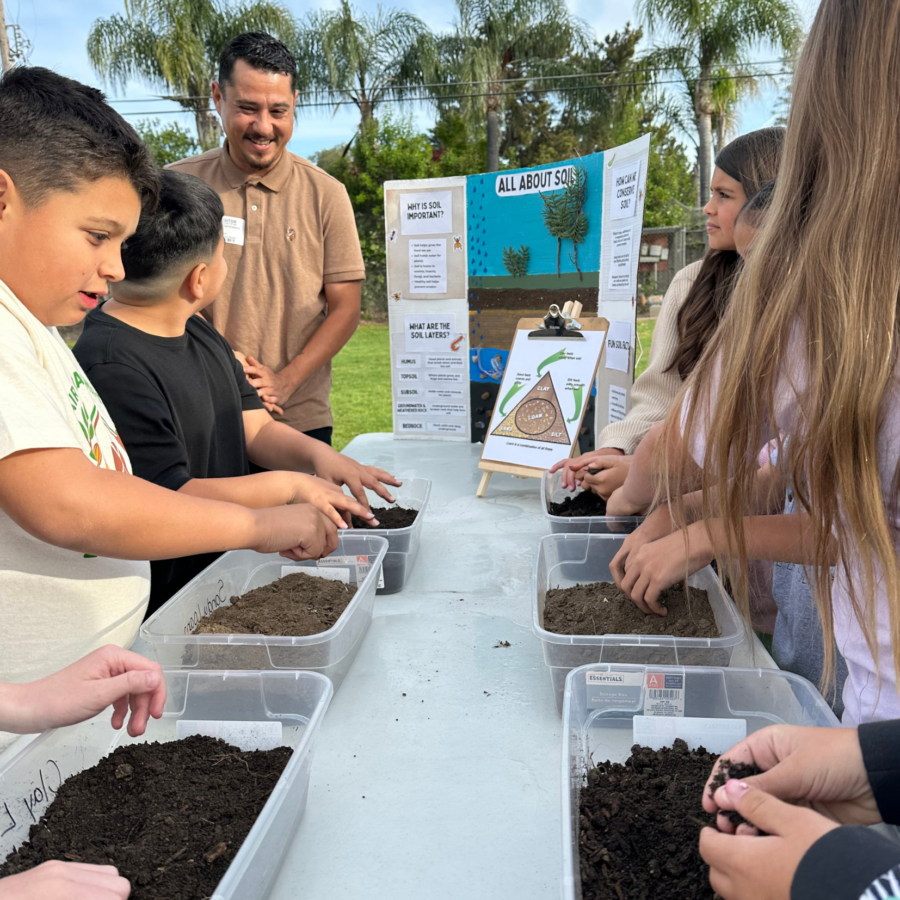
Programs like our new FEAST (formerly Jr. Chef and Jr. Farmer) initiative bring that shift to life. Instead of just talking about where food comes from, students get to dig in, literally! They plant seeds, tend their gardens, meet with farmers and ag professionals, and see firsthand how farming practices shape the food on their plates. This kind of hands-on exposure helps kids build real connections to agriculture, rather than just memorizing facts from a textbook.
Here in Stanislaus County, that connection matters more than most places. Our region grows an incredible amount of the food that feeds not just our state, but the world, from almonds to dairy to a wide range of fruits and vegetables. Teaching local kids about the farms in their own backyard helps them understand the role their community plays in agriculture on a global scale, and builds a sense of pride in where their food comes from.
Conservation education has also expanded into urban agriculture, showing community members that conservation isn’t limited to rural fields or large restoration sites. Even in city spaces, people can grow food or support local pollinators through small changes at home. Workshops on topics like home gardening, composting, water conservation, and pollinator habitats are becoming a bigger part of this shift, giving residents the tools to put these lessons into practice.
Whether we’re teaching a group of second graders about pollinators or guiding a family through their first vegetable garden, our approach has shifted toward experiences that stick. People remember what they do far more than what they’re told. That’s why our education programs now prioritize field trips, garden days, workshops, internships, and hands-on demonstrations over lectures or textbooks.
As our community’s needs grow, so does our approach to teaching conservation. Our goal remains the same: helping people build lasting relationships with the land and the resources that sustain us.
