Unwrapping the Ecosystem, Capturing & Storing Rainwater for a Sustainable Future
By: Gonzalo Garcia
As we wrap up another year and transition into the long-awaited rainy season, it is important to recognize how different conservation practices can help improve the health of our local watershed environments. A healthy watershed can store more rainwater, prevent soil erosion, improve water and air quality, provide wildlife habitat, and is better equipped for handling floods and wildfires.
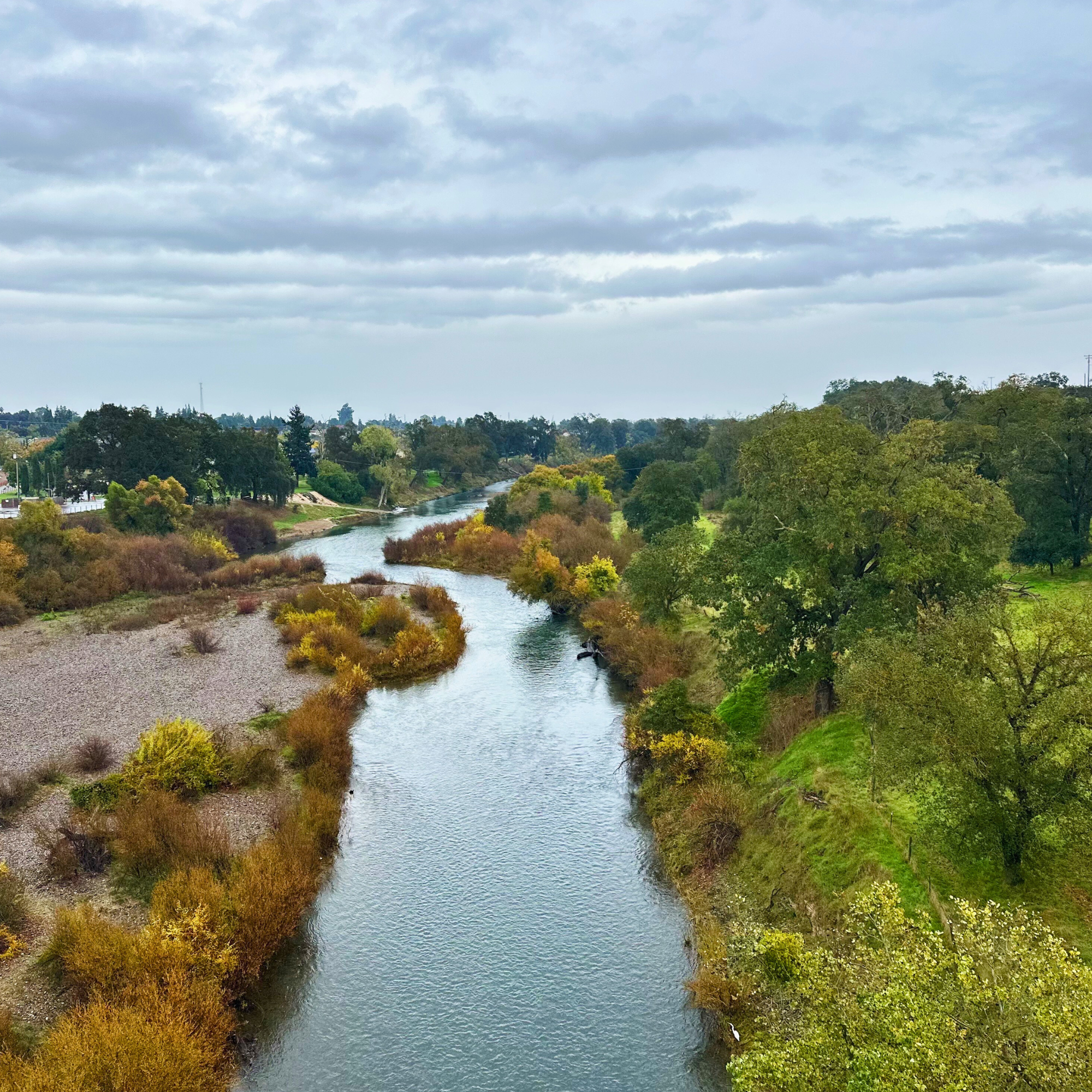
Watersheds act like funnels, catching rainwater and diverting it into rivers, streams, and into underground water reservoirs, known as aquifers. Aquifers supply irrigation and drinking water to millions of people; unfortunately, many of these are being depleted faster than they are able to replenish themselves. Conservation and restoration practices such as cover cropping, restoring native vegetation along rivers and streams, and designing urban landscapes with permeable surfaces to allow rain infiltration are some of the ways we can improve the health of our watersheds.
Cover cropping and compost applications, for example, help improve soil structure, leading to higher rain infiltration and more water storage capacity in the soil. Another way we can improve the health of our watersheds is by strategically planting native plant and tree species in both working lands and wildlands. When it rains, the leaves and sprawling branches of native plant and tree species catch the raindrops and slow it down; it trickles down their stems and trunks, and reaches the ground without splashing. Their deep and robust root systems stretch wide and deep into the soil, creating channels that allow rainwater to infiltrate deep into the soil, recharging the groundwater reserves.
By implementing a variety of conservation and restoration strategies, we can capture and store more of the limited rainfall in the Central Valley. This results in a healthier, more robust watershed ecosystem that is better equipped to adapt to a changing climate and handle extreme weather events.
For questions or support with conservation practices, please reach out to Chris Yohannan, Director of Conservation, at chris@eaststanrcd.org.
