Our Habitat & Restoration team works with landowners, local agencies, and community partners to restore and enhance natural habitats on both public and private lands. Through careful assessment, collaborative planning, on-the-ground implementation, and continual monitoring, we support healthier ecosystems that benefit wildlife, waterways, native plant communities, and the people who rely on them.
Habitat & Restoration Assessment
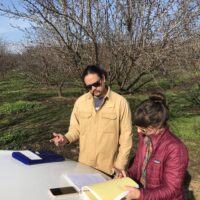
We begin restoration work by understanding site conditions, ecological needs, and opportunities for improvement. Our team conducts field-based assessments to guide effective restoration strategies, including:
- Watershed assessment and analysis
- Riparian and instream assessments
- Identification of habitat and restoration opportunities
Habitat & Restoration Planning
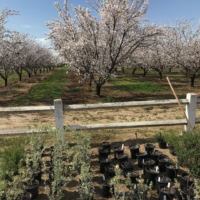
Using assessment findings, we work collaboratively to develop restoration plans that are practical, effective, and aligned with project goals and regulatory requirements. Planning services may include:
- Project management and coordination
- Prioritization of restoration actions
- Violation correction planning
- Planning, design, and planting plans
- Permitting support, including CEQA processing and administration
Habitat & Restoration Implementation
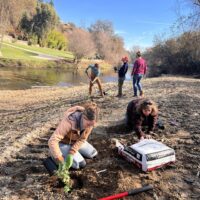
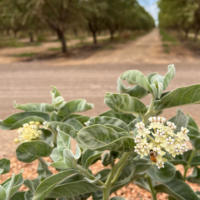
We support restoration projects through hands-on implementation and coordination, helping bring plans into action on the ground. Our team works alongside partners and contractors to install native plants, establish pollinator habitat, improve riparian and instream conditions, remove invasive species, and carry out restoration activities that strengthen ecological function and support long-term habitat health.
Habitat & Restoration Monitoring
Long-term monitoring helps ensure restoration efforts are successful and continue to provide ecological benefits over time. Our team provides monitoring services that track outcomes, inform adaptive management, and document project success, such as fish and habitat monitoring, pollinator monitoring, and targeted surveys that help us understand how restored areas function and change over time.