Our Agricultural Conservation team works directly with farmers and ranchers to support conservation on working lands. Through on-the-ground assistance and practical planning, we help improve soil health, strengthen pollinator habitat, and support water-efficient practices that benefit both agricultural operations and the long-term health of the land.
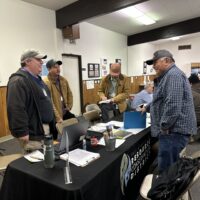
Conservation Assessments
We work directly with farmers and ranchers to better understand the unique conditions of their land through on-site conservation assessments, including:
- Water conservation and irrigation evaluations
- Soil health assessments
- Habitat and resource assessments
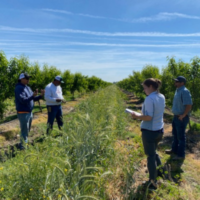
Conservation Planning
Using assessment findings, we work alongside farmers and ranchers to develop conservation plans that align with their goals, available resources, and the realities of working lands. Through collaborative planning, we help translate assessment findings into clear, actionable strategies, including:
- Conservation plans
- Carbon Farm Plans
- Habitat planning
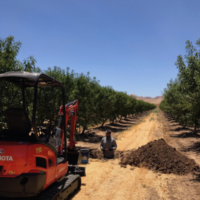
Conservation Implementation
We support farmers and ranchers through the conservation implementation process by providing planning assistance, funding coordination, and technical guidance. We help landowners navigate next steps for irrigation improvements and soil conservation practices, and connect them with service providers to complete the work. ESRCD does not install irrigation or soil systems.
ESRCD does directly implement habitat projects such as hedgerows and pollinator habitats, helping establish plantings that support biodiversity, beneficial insects, and long-term land stewardship.
Conservation Monitoring
We support long-term conservation success by monitoring projects on working lands and tracking how practices perform over time. Through services such as pollinator monitoring, our team works with farmers and ranchers to understand results, identify trends, inform future decisions, and document the benefits of conservation efforts on the land.