From Curiosity to Care: Introducing Conservation Through Early Learning
By: Victor Jacobs, Ag Research Manager
Children are born natural scientists, fascinated by the texture of tree bark, the sudden movement of a lizard, or the way water puddles after a rainstorm. By intentionally introducing conservation during early childhood (ages 3 to 8), educators and parents can channel this innate, boundless wonder into a lifelong ethos of environmental care. Because this developmental window is highly critical for forming core values, teaching children to respect wildlife and manage resources builds empathy before wasteful habits can even form. Instead of overwhelming young minds with distant climate crises, early exposure focuses on positive, local connections, framing sustainability as a natural, everyday part of growing up.
Transforming a child’s passing curiosity into genuine care follows a simple, scaffolded journey: exploration, understanding, and action. It begins by prioritizing unstructured time in nature, encouraging kids to touch soil, listen to birds, and ask open-ended questions about how creatures live. Once engaged, children can grasp simple concepts of interconnectedness, like how a decaying log serves as a busy “apartment building” for beetles and fungi, or how bees help the flowers grow. The final step is empowering them with tangible actions that yield visible results, such as planting pollinator gardens or making a game out of leaving a local playground cleaner than they found it.
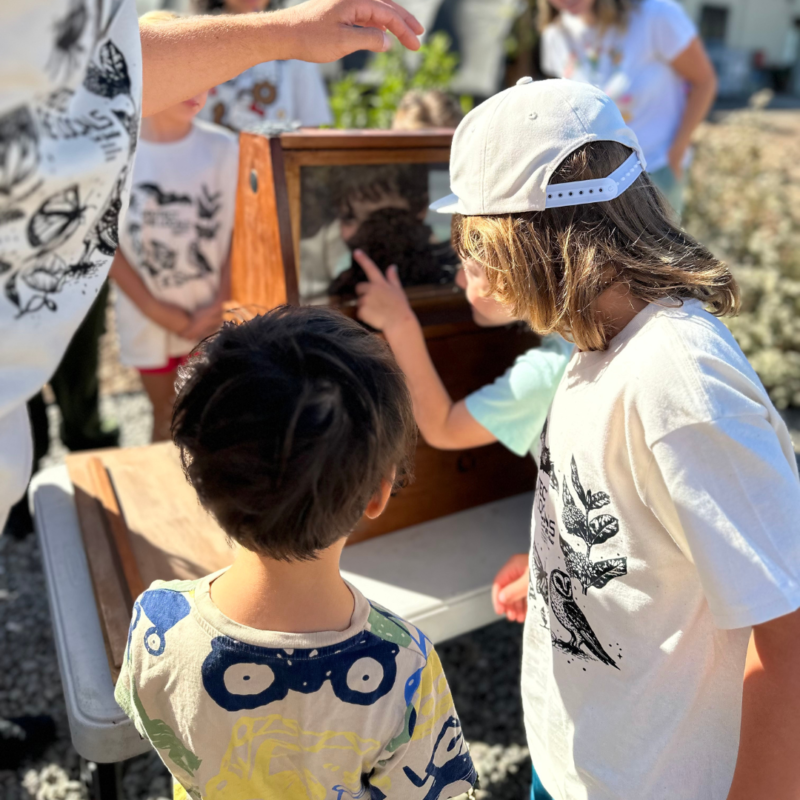
To ground these concepts in reality, we host vibrant demonstration days that bring hands-on conservation directly to life for young learners. During our Honey Bee Celebration Day, children built custom bee hotels to welcome and encourage native bees in their own backyards, while our family volunteer days invite kids to roll up their sleeves and help manage invasive weeds in our native plant grow-out area. Incorporating these tactile, interactive projects serves as a powerful, non-preachy way adults can guide child development. By nurturing a child’s baseline curiosity and guiding it toward compassionate stewardship, these early, active introductions plant the seeds for a more sustainable world, opening their eyes to future paths in regenerative agriculture and resource management while raising empathetic citizens who understand they are a part of nature, not separate from it.
