Right Plant, Right Place: How We Plan for Restoration Success
By: Gabriela Cervantes, Sr. Project Manager, Conservation & Restoration
Working in habitat restoration requires careful planning to optimize a project’s success. Proper research and site assessments allow us to gather information about a site’s specific conditions before diving into the best restoration approach. Various factors, including soil type, hydrology, current vegetation, and wildlife, need to be evaluated in order to determine which native plant species are more likely to thrive at the project site.
There are many tools that support restoration planning and are accessible to the public, including CalFlora, Web Soil Survey, and of course, Google Earth. These resources are essential to our planning, since they provide valuable information that helps us select plant species most suitable for a site, and plan accordingly to each soil type. Easy access to these technological resources helps us better understand certain site conditions that we cannot visually identify out in the field, and make more informed decisions.
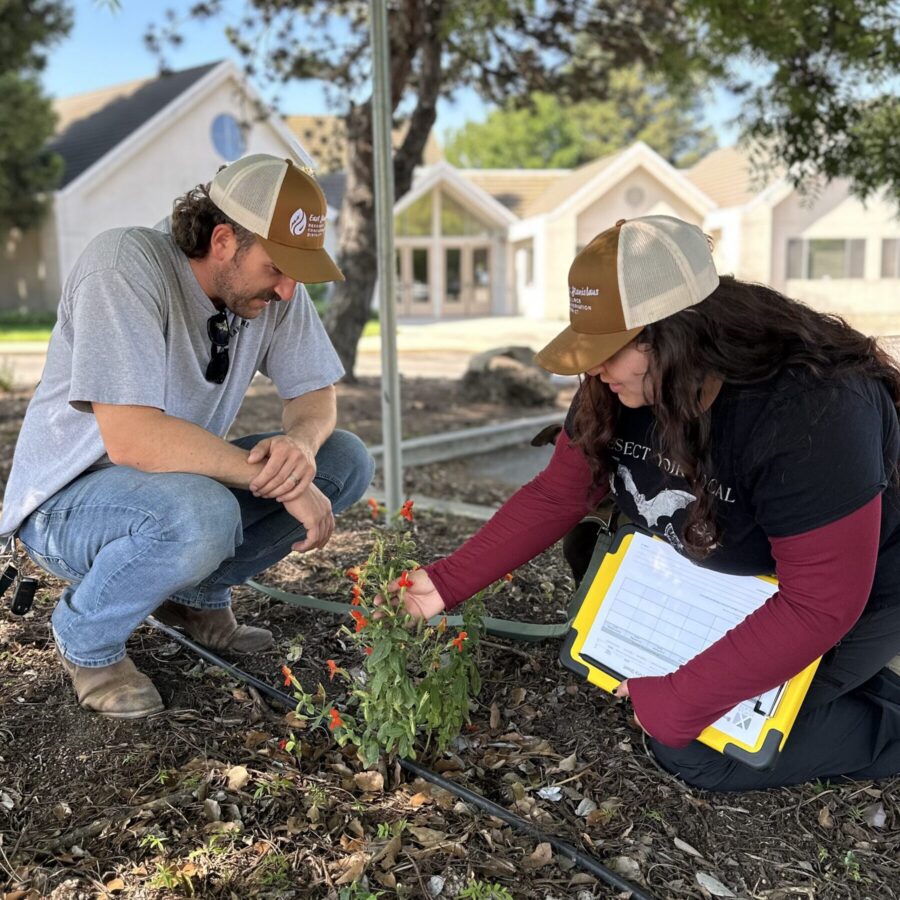
After a project is implemented, post-implementation monitoring helps us track the success of establishment. Collecting monitoring data on plant mortality and native species populations gives us an idea of what works and what maybe doesn’t. All of this information is useful as we adapt to different sites and strategize differently when success rates are not met. All of these methods and tools we use throughout a project’s lifespan allow us to continuously improve our practices and develop projects better suited to a site.
