Some of Stanislaus County’s most important locals don’t have a mailing address. Native bees, butterflies, wildflowers, oaks, and Chinook salmon all call this region home, and they help keep our ecosystems healthy.
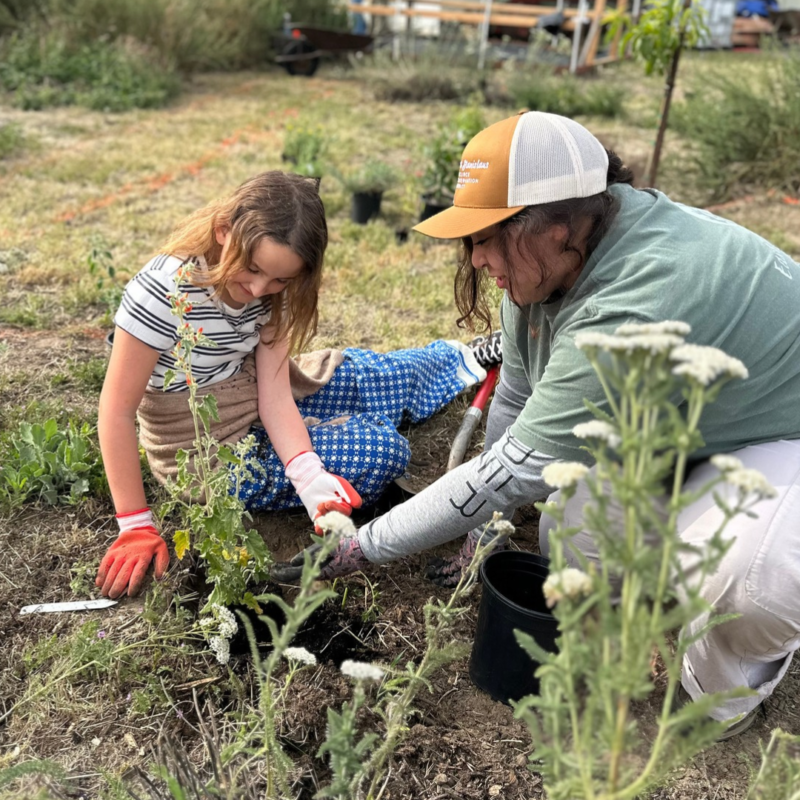
The ESRCD works to protect them every day. We plant California natives for pollinators on public and private lands, partner on restoration projects that improve habitat for young salmon, and teach students and families how these species connect to the food we eat and the water we share. This page offers simple ways you can help, plus trusted resources to keep learning.
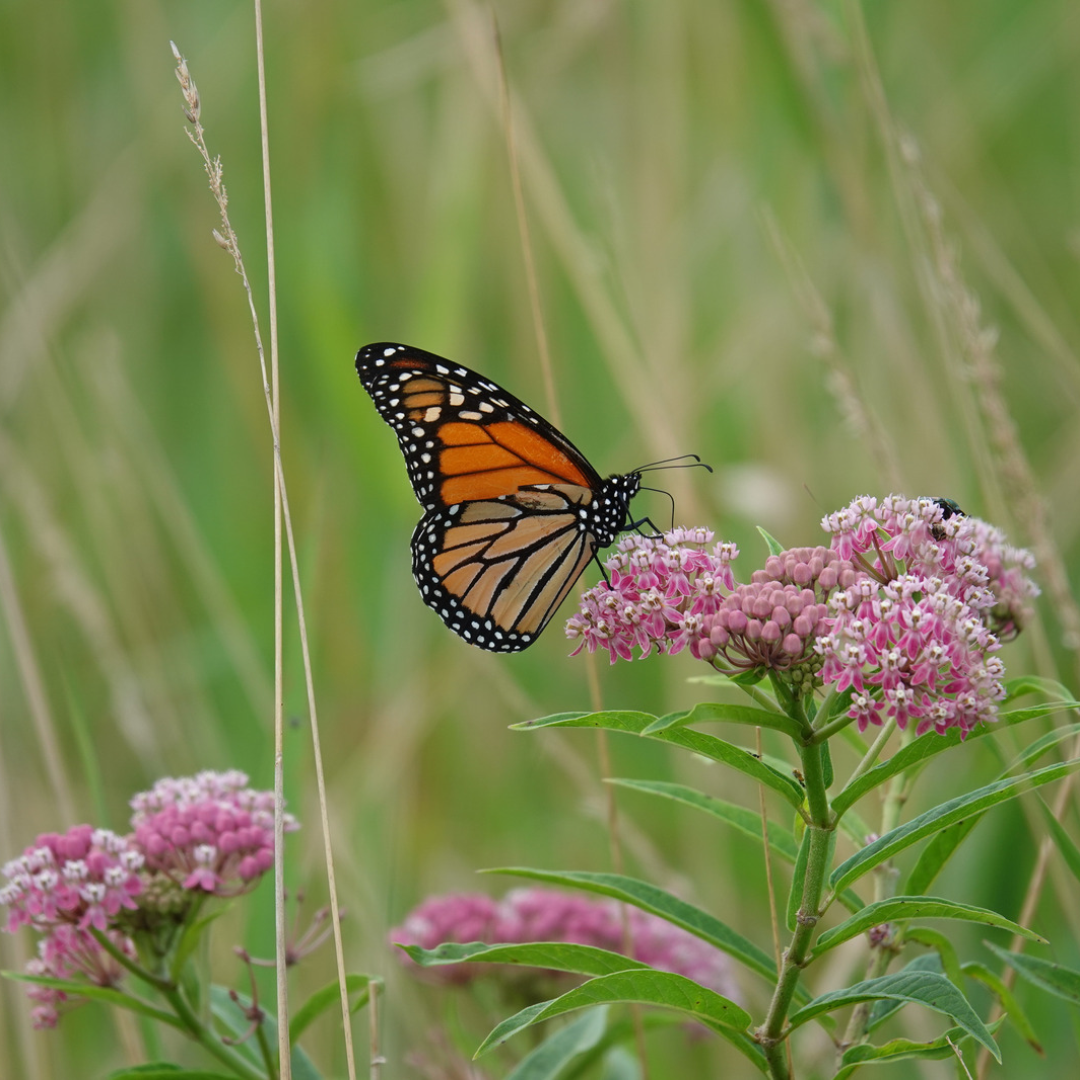
California is home to about 1,600 species of native bees, along with butterflies, moths, hummingbirds, and beetles that pollinate the plants we rely on. Many native bees nest in the ground, so a few small changes at home can make a big difference.
- Plant native flowers that bloom at different times of year so pollinators have food from early spring through fall
- Leave hollow plant stems standing through winter, since some bees nest inside them
- Limit pesticide use, and avoid spraying plants while they’re in bloom
- Add a shallow dish of water with stones so pollinators can land and drink safely
- Learn how to identify California’s native bees and why they’re expert pollinators of our native plants.
View the presentation
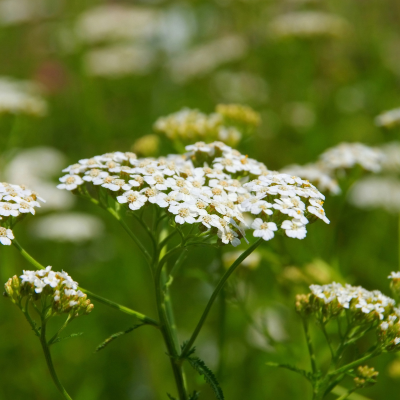
Native plants evolved alongside our local wildlife and climate. Once established, they handle hot, dry summers with less water than most ornamentals, and they provide the food and shelter local pollinators and birds need. Through our Habitat & Restoration work, ESRCD plants California natives on farms, schools, and parks across Stanislaus County.
- Swap part of your lawn or a garden bed for native plants
- Try well-known natives like California poppy, narrowleaf milkweed, California buckwheat, toyon, or deergrass
- Plant in fall so winter rains can help roots get established
- Pick up a packet of our Wildflower Seed Mix to start your own pollinator patch
- Remove invasive plants that crowd out natives when you can
- Find Central Valley native plants that feed bees, butterflies, and beneficial insects from spring through fall with the Xerces Society’s Recommended Plants list.
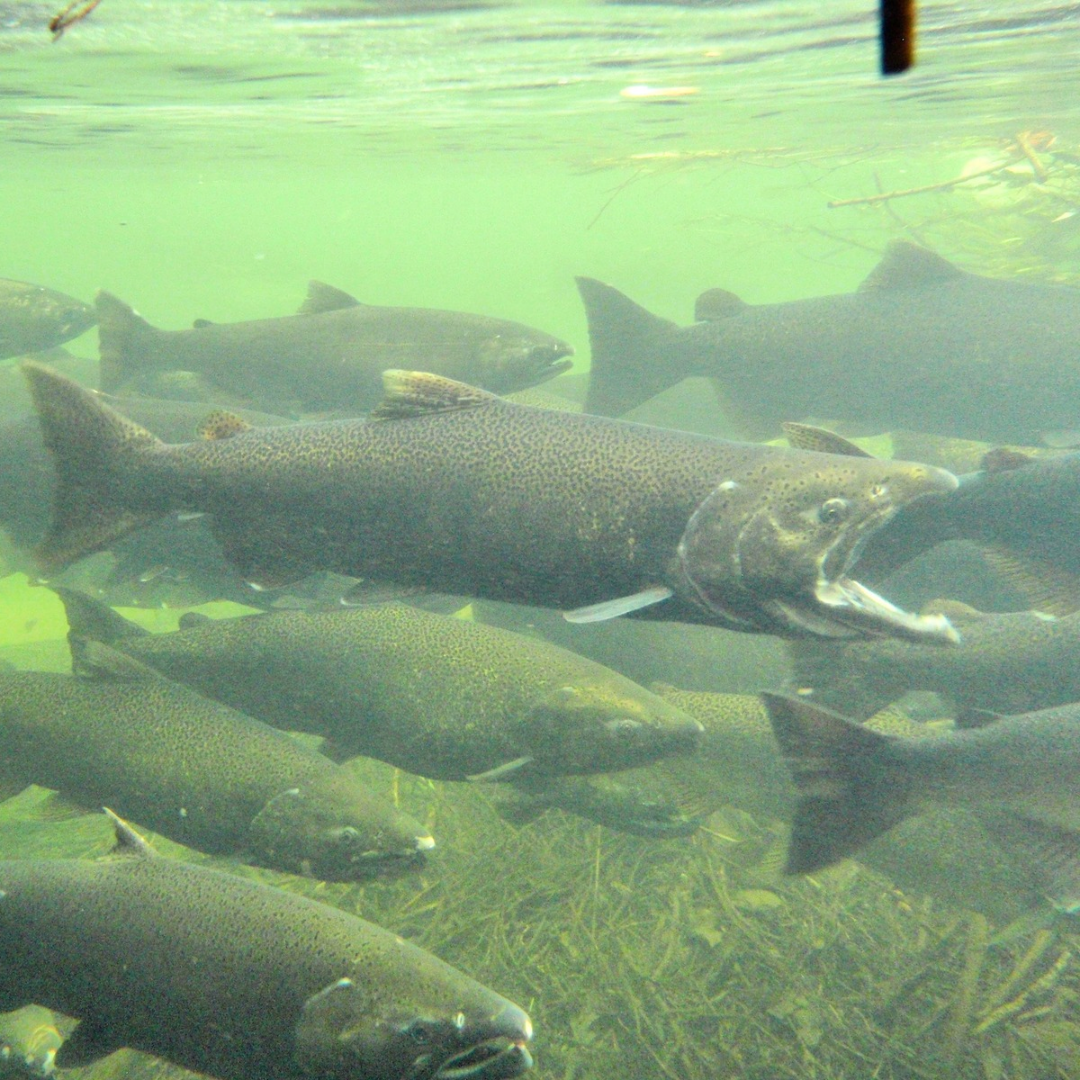
Each fall, Chinook salmon return from the Pacific Ocean to the Stanislaus River, the same river where they hatched, to lay their eggs in gravel nests called redds. They need cold, clean water and healthy gravel beds to survive. ESRCD partners on salmon habitat restoration projects to improve conditions for young salmon in our rivers.
- Keep trash, pet waste, and chemicals out of storm drains, which often flow straight to local creeks and rivers
- Avoid walking on gravel beds in the river during fall spawning season
- Pick up litter when you visit the river, or join a river cleanup event
- Plant native trees and shrubs along waterways to shade and cool the water
- Join us at the Stanislaus River Salmon Festival to see the salmon run and learn more. Visit the Salmon Festival Facebook page for more information.