Understanding SGMA and Groundwater in Our Region
By: Victor Jacobs, Ag Research Manager, Conservation & Restoration
Groundwater is one of the most important water sources for agriculture and rural communities in California. In many areas of the Central Valley, groundwater has been pumped faster than it can naturally recharge. Over time, this has led to declining water levels and dry domestic wells in rural communities. It has also led to land subsidence, which occurs when groundwater pumping causes underground soil layers to compress, making the ground surface slowly, or sometimes suddenly, sink. This can damage canals, roads, aqueducts, and other infrastructure.
To address these long-term challenges, California passed the Sustainable Groundwater Management Act (SGMA) in 2014. SGMA created a statewide framework for managing groundwater sustainably. Local agencies formed Groundwater Sustainability Agencies (GSAs) who are responsible for developing plans to bring groundwater basins into balance over time and prevent issues like chronic overdraft and water quality impacts.
For many farmers, SGMA represents a significant shift in how groundwater is managed. What was once largely an individual decision at the well level is now part of a broader basin-wide effort to ensure groundwater remains available for future generations.
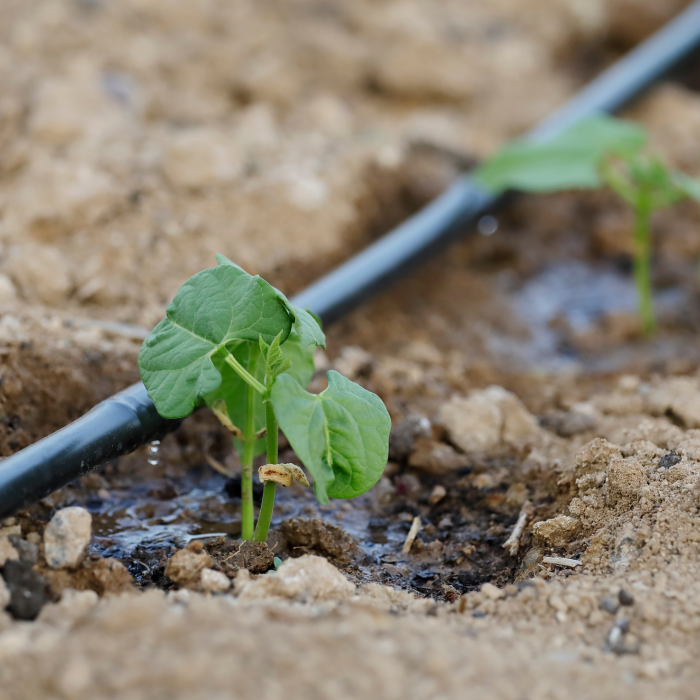
The East Stanislaus Resource Conservation District works alongside farmers and landowners to support practical conservation solutions. Through irrigation evaluations and conservation planning, we aim to help growers identify ways to make the most of available water resources while improving water efficiency on their lands.
These efforts support both productive agriculture and the long-term health of our region’s groundwater.
To learn more about our Agricultural Conservation projects and programs, visit https://eaststanrcd.org/agriculturalconservation
