River Restoration Throughout the Years
By: Gabriela Cervantes, Sr. Project Manager, Conservation & Restoration
Over the past 30 years, conservation efforts along the Stanislaus River have evolved to include restoring the health of the river and the watersheds that connect to it. Early conservation efforts often focused on managing water resources in order to ensure support for our community as well as our wonderfully diverse agriculture in the Central Valley. Today, restoration efforts not only take into account water management and distribution, but also the health of the river and its ecosystem.
Ecosystem Health= Water Health!
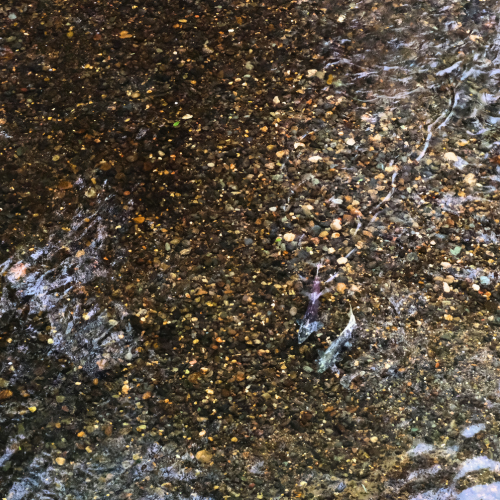
Current projects focusing on the life within the river, including all the fish, wildlife, and vegetation, help us recognize that the overall health of our watersheds relies heavily on a thriving ecosystem. Wildlife and riparian vegetation are all champion contributors to water health and quality. Plants such as the willow species and cottonwoods work hard to help stabilize riverbanks and filter pollutants in the water. Native salmon, such as the Chinook salmon, also contribute to healthy watersheds. As they complete their life cycle in the river, the decomposed fish release nutrients such as phosphorus and nitrogen into the river, which help boost the freshwater ecosystem!
Our team at the ESRCD is honored and proud to work with amazing partners to implement current restoration projects on the Stanislaus River, focusing on riparian plantings and native salmon habitat that support healthy watersheds. We hope to continue restoring the health and ecosystem of the Stanislaus River for many more decades to come!
To learn more about our Restoration services and projects, visit eaststanrcd.org/habitat-restoration
